


Using AI as a tool for health and mental health interventions

Suicide mortality research analyzes often graphic and emotionally difficult death narratives. This project uses over 270,000 such narratives from the National Violent Death Reporting System to assess whether language models can identify novel prevention-relevant variables.
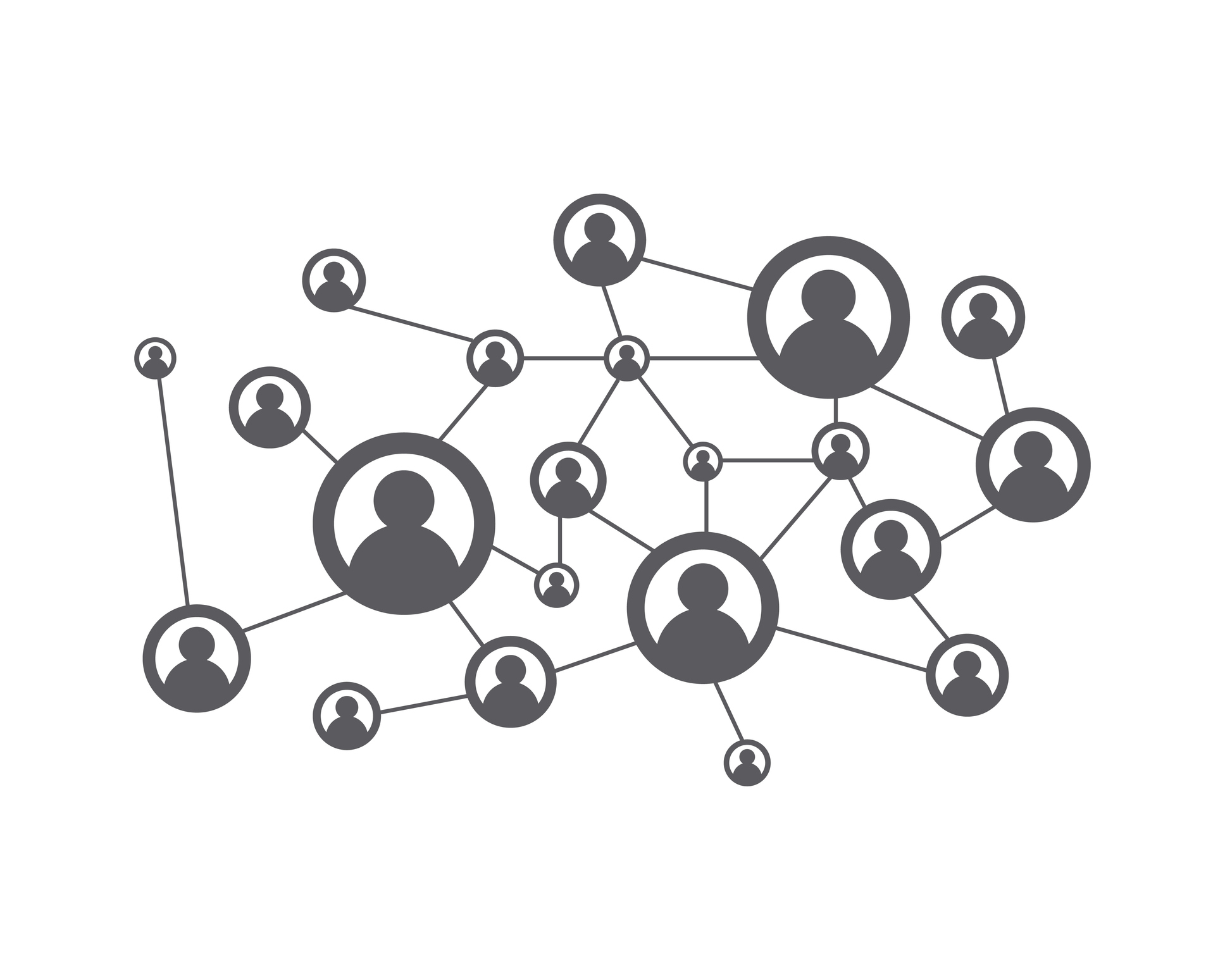
This study aims to leverage advances in AI modeling to understand how mindfulness and help seeking behavior is related to community-level social network processes among active duty soldiers.

Using machine learning to accelerate our understanding of risks for early substance use among child-welfare and community youth.

USC CAIS is using AI and in-person social networks to predict suicidal thinking among active duty military members.

The transition from active deployment back to civilian life is a difficult time and a high-risk period for the onset or worsening of PTSD and problematic cannabis use. Unfortunately few veterans (less than 40%) who are in need of behavioral health care actually receive it.
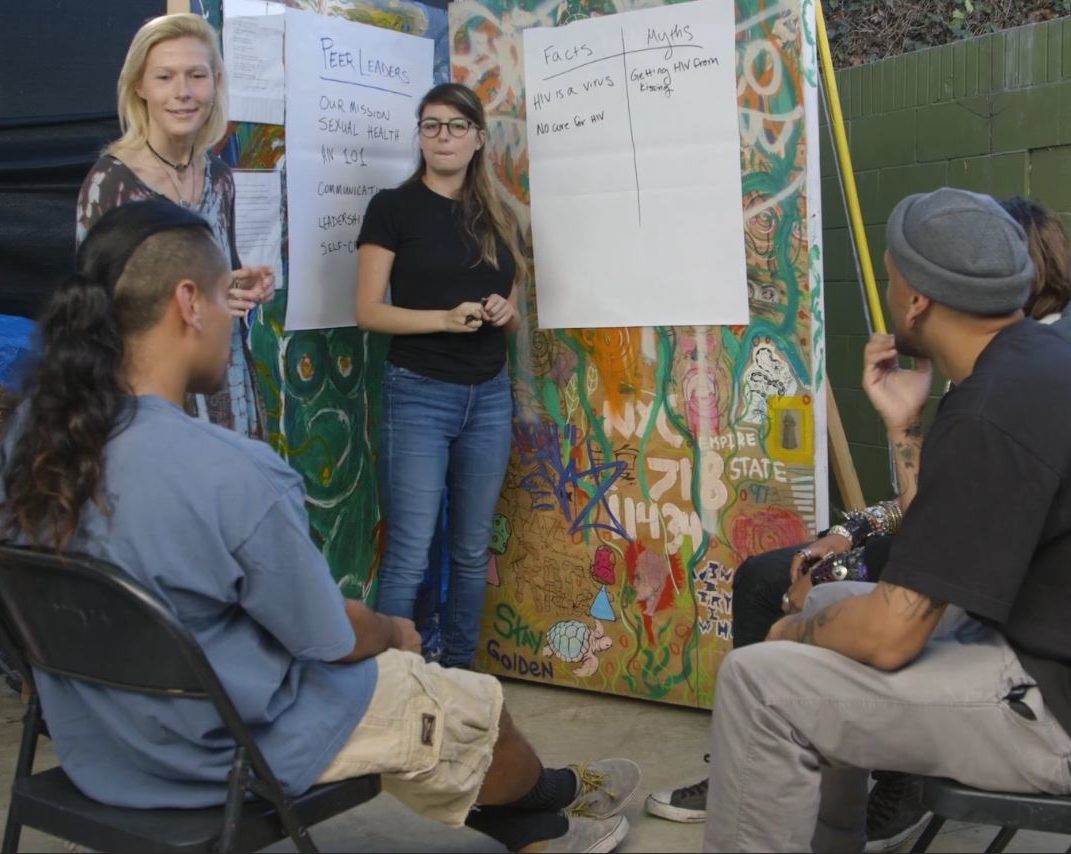
Have You Heard? (HYH) study: using AI for HIV prevention among homeless youth through influence maximization using social network algorithms.
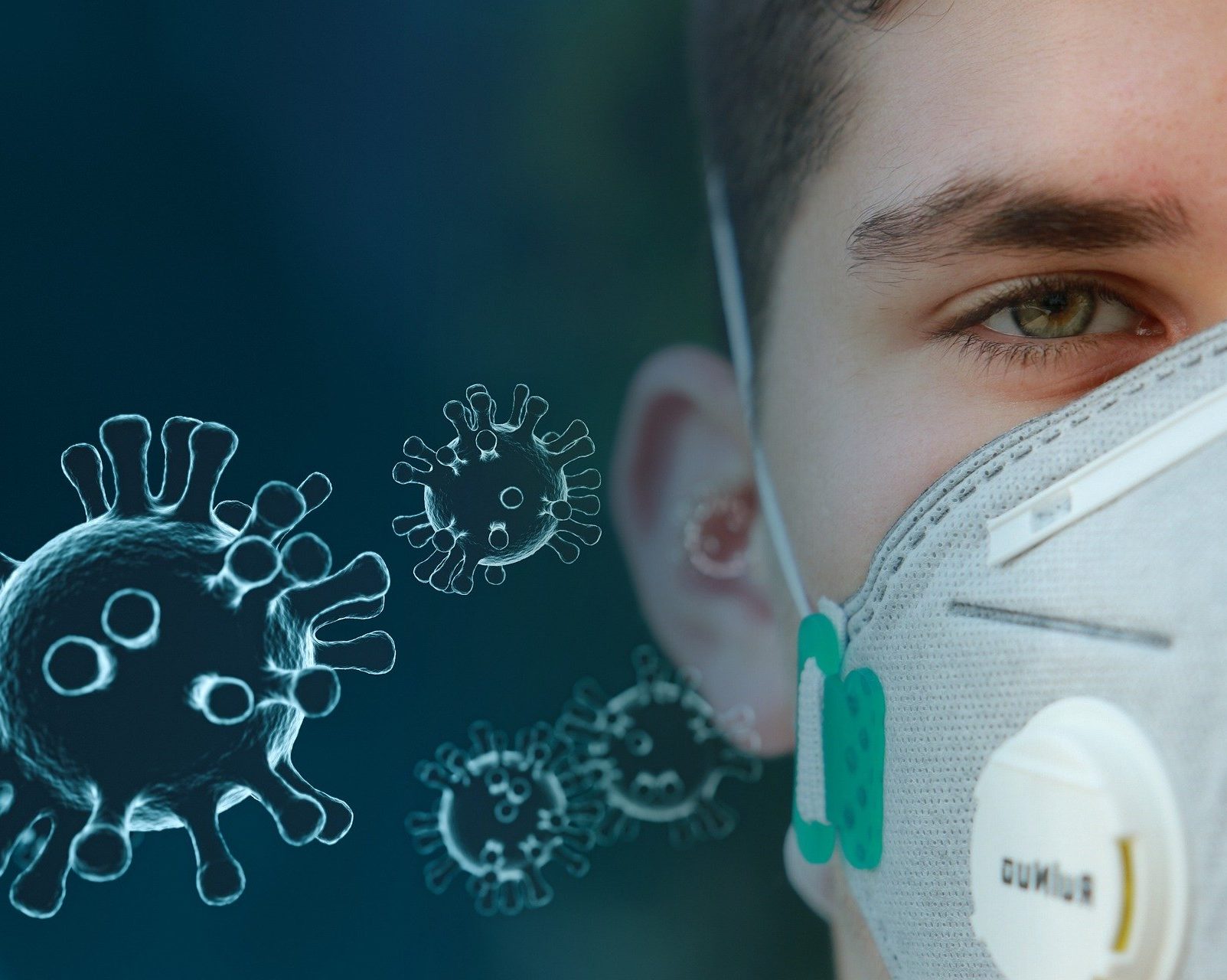
There is an urgent need for disciplined, automated, data-driven approaches for coordinating the allocation of scarce resources (healthcare workers, PPE, ventilators).

Testing is a primary tool in the helping to contain the spread of COVID-19, but how can we ensure equitable access to testing sites? This same approach can be applied to vaccine distribution.

USC CAIS is using AI algorithms to prevent high-risk behaviors such as substance abuse through the social networks of homeless youth.

We aim to use a peer change agent model to decrease violence experiences within a social network of homeless youth.

Using machine learning (a type of AI) to predict suicidal thinking through mining social network data of homeless youth.

We want to learn the priorities of stakeholders for a given decision-making problem in order to create more fair, accountable, and transparent decisions.

College students experience elevated risk for suicide. We want to use AI to determine who should be trained for gatekeeper training to allow the greatest coverage.

Motivated from the problems faced by underserved communities or in underresourced settings, we are working to define and quantify fairness in machine learning and resource allocation.

In this project, we develop novel data-driven optimization methodologies that produce accurate, personalized wait time estimates for individual candidates.